Description
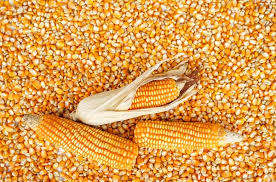
Yellow corn is a premier, high-energy feed staple for poultry, swine, and ruminants, often making up 50–60% of mixed rations due to its high starch (90% of energy) and energy density. It is rich in carbohydrates and minerals but deficient in lysine and tryptophan. Common forms include whole kernels, ground meal, and silage.
Key Aspects of Yellow Corn for Animal Feed
- Nutritional Profile: Yellow corn provides essential carbohydrates for energy, fiber, and B vitamins. It generally contains 7–9% protein.
- Target Livestock: It is heavily used for poultry (chickens), swine (pigs), and ruminants (cattle, sheep, goats) to promote growth and weight gain.
- Types Used:
- Dent Corn: The most common type for animal feed and industry.
- Quality Protein Maize (QPM): A higher quality alternative with 30% more lysine and 55% more tryptophan, improving protein balance.
- Processing Methods:
- Ground/Meal: Increases digestibility and nutrient absorption.
- Silage: Fermented whole plant (stalks, leaves, ears) used for cattle.
- Distillers Grains: A byproduct of ethanol production used as a high-protein supplement.
- Benefits:
- Energy Density: High starch content supports high-performance growth.
- Cost-Effective: Often the most economical energy source for livestock.
- Pigmentation: Contains pigments that can improve the color of egg yolks and chicken skin.

Reviews
There are no reviews yet.